

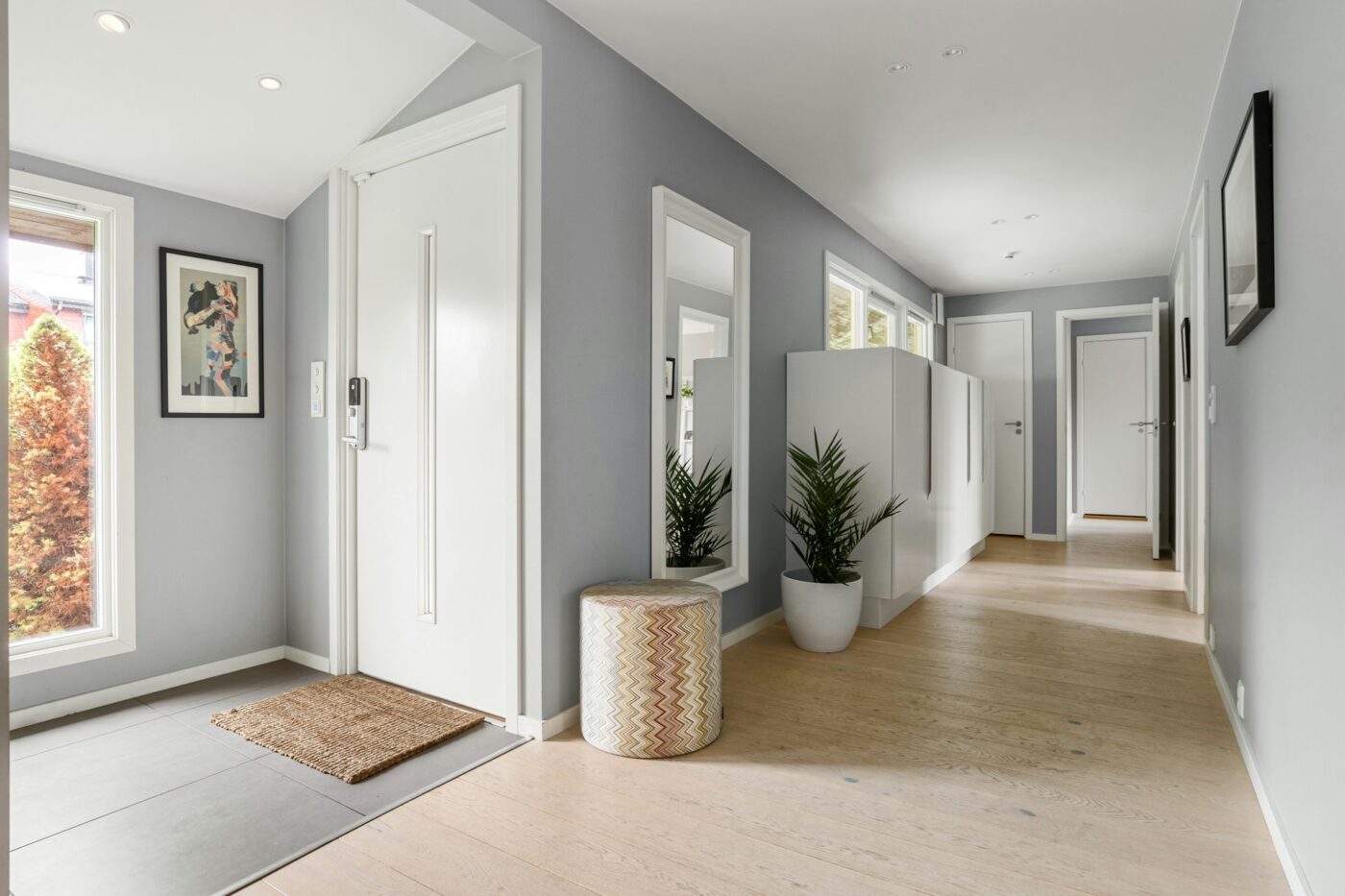
If you’re planning an interior painting project in Santa Cruz County, it’s helpful to understand what the process involves before work begins. Whether you’re updating one room, painting a room for the first time, or refreshing your entire home, professional interior painting can transform the interior of your home, protect your walls, and increase your home’s long-term value.
A successful painting project involves much more than applying a new paint finish. Proper preparation, quality materials, expert techniques, and attention to detail all contribute to a beautiful finish that lasts. By working with an experienced contractor like Pat Crowley Painting, homeowners can enjoy a smoother process and results that stand the test of time instead of treating it as a large DIY project.
Why Interior Painting Matters
Interior painting is one of the most cost-effective home improvements you can make. Fresh paint not only enhances the appearance of your home but also protects walls from everyday wear while creating a cleaner and more inviting environment.
Benefits of professional interior painting include:
- Refreshing outdated or faded rooms
- Covering stains, scuffs, and minor imperfections
- Protecting drywall and trim
- Improving your home’s resale value
- Creating a healthier indoor environment with low-VOC latex paint options
For homeowners preparing to sell, freshly painted interiors can also leave a strong first impression on potential buyers while improving the overall feel of your home.
Why Homeowners Choose Professional Interior Painting

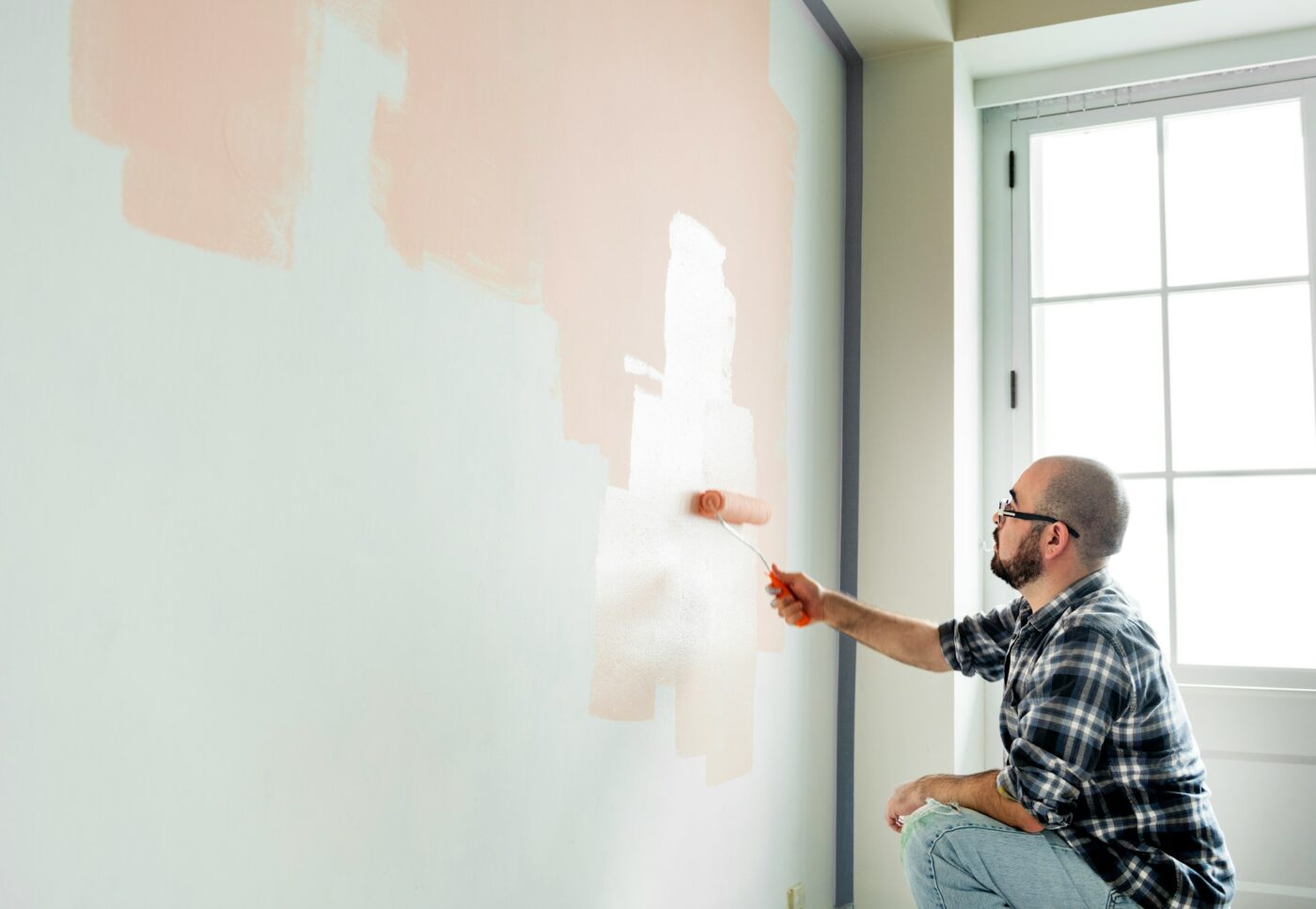
From coastal cottages to hillside homes, Santa Cruz County offers a variety of home styles, each with unique painting needs. Many homeowners choose professional interior painting because quality workmanship delivers better results and saves time in the long run compared to hiring a general handyman for larger painting projects.
1. Superior Surface Preparation
Preparation is the foundation of a lasting paint job.
Professional painters carefully prepare surfaces by:
- Repairing drywall damage
- Filling nail holes and cracks with spackle or putty
- Sanding rough areas
- Caulking trim and baseboard gaps
- Priming repaired surfaces with a coat of primer
- Protecting floors and furniture with drop cloth, canvas drop, or plastic sheeting
These steps create a smooth surface that allows paint to achieve proper adhesion and improves the durability of the finish.
2. Cleaner Results
Painting projects can quickly become messy without the right equipment and techniques.
Professional painters use protective coverings, painter’s tape, careful masking, and organized workspaces to help keep your home clean throughout the project. These materials help prevent accidental spill or drip marks while minimizing disruption to your household.
3. Better Paint Products
Not every paint is designed for every room.
Experienced painters recommend products based on:
- Room function
- Moisture exposure
- Surface material
- Desired finish
- Durability requirements
For example, kitchens, bathrooms, and hallways often benefit from durable, washable finishes that are easy to clean and hold up well to everyday use. Depending on the surface, professionals may recommend latex, oil-based, or shellac primers for the best performance.
4. Long-Lasting Results
Professional craftsmanship combined with premium materials helps prevent peeling, uneven coverage, and premature fading. Investing in quality interior painting means enjoying beautiful walls for years instead of needing frequent touch-ups or correcting a poor previous paint job.
How Santa Cruz’s Climate Affects Interior Painting
Although interior walls are protected from outdoor weather, Santa Cruz’s coastal climate can still affect paint performance. Humidity and changing temperatures influence how paint dries and how long it lasts.
1. Moisture Management
Bathrooms, kitchens, and homes closer to the coast often experience higher humidity.
Using moisture-resistant paint helps reduce the risk of:
- Peeling
- Bubbling
- Mold growth
- Mildew
Proper ventilation during and after painting also supports better curing and improves paint adhesion.
2. Choosing the Right Finish
Different rooms require different paint finishes.
A few common recommendations include:
- Flat: Bedrooms and ceilings
- Eggshell: Living rooms and dining rooms
- Satin: Hallways and family rooms
- Semi-gloss: Kitchens, bathrooms, trim, and doors
Choosing the appropriate finish improves both durability and appearance while making high-touch surfaces easy to clean.
3. Color Selection for Coastal Homes
Many Santa Cruz homeowners prefer colors that complement the area’s natural surroundings.
Popular choices include:
- Warm whites
- Soft grays
- Greige
- Coastal blues
- Sage greens
- Earth-tone neutrals
Many homeowners also choose an accent wall to add character without overwhelming a room. These colors create bright, welcoming interiors while pairing beautifully with natural light.
What to Expect During Your Interior Painting Project
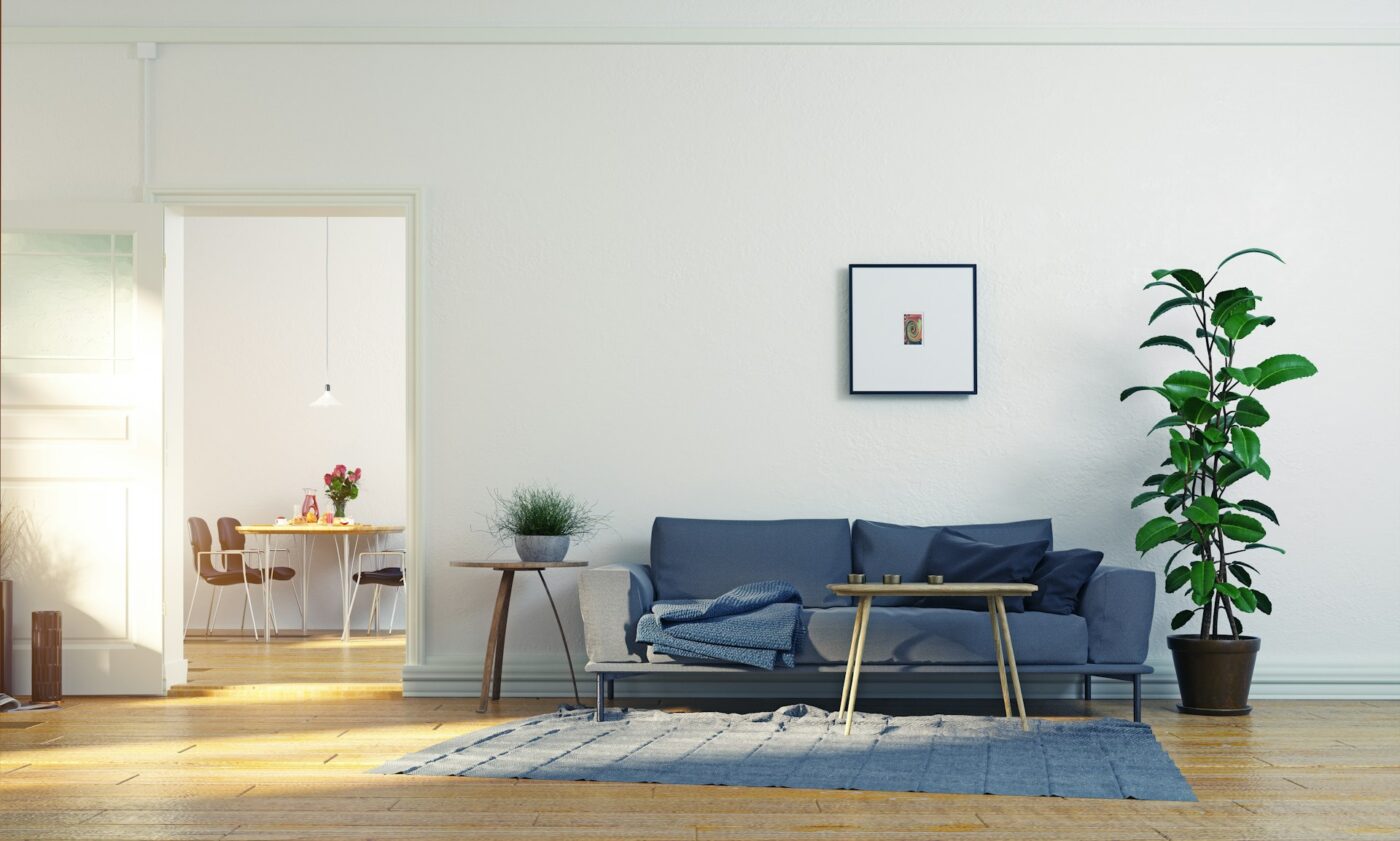
Knowing the typical stages of a professional interior painting project helps homeowners feel more prepared and confident before work begins.
1. Initial Consultation and Estimate
The process starts with an on-site consultation to discuss your goals, evaluate the condition of your walls, and provide a detailed estimate.
During this visit, your contractor will typically review:
- Areas to be painted
- Surface repairs
- Paint products
- Colors and finishes
- Project timeline
- Overall scope of work
Many contractors also measure the home’s square footage to provide a more accurate cost and explain the average cost to paint based on the project’s size and complexity.
2. Color Selection and Planning
Selecting the right color is one of the most exciting parts of the project.
Professional painters can recommend colors that complement your home’s lighting, flooring, cabinetry, and overall design while helping you test samples before making a final decision. Visiting a trusted paint store can also provide additional inspiration.
3. Surface Preparation
Before any paint is applied, the work area is carefully prepared.
This usually includes:
- Move furniture
- Protecting floors
- Cleaning walls
- Repairing drywall
- Sanding rough areas
- Priming surfaces when needed
Minor drywall repair, filling a dent, and applying stain-blocking primer may also be necessary before painting begins. Proper preparation creates the smooth foundation needed for a professional finish.
4. Professional Paint Application
Once preparation is complete, painters apply paint using techniques that provide even coverage, clean lines, and consistent color. Depending on the project, professionals may use a roller or paint roller for large surfaces and complete detailed trim with brushes. A second coat may be applied to achieve the desired finish and consistent color.
5. Final Inspection and Cleanup
After painting is complete, the crew performs a final walkthrough to inspect the work, complete any touch-ups, remove protective coverings, clean the workspace, and ensure the finished project meets expectations.
At Pat Crowley Painting, every project is completed with careful attention to detail work and a commitment to delivering beautiful, long-lasting results for homeowners throughout Santa Cruz County.
Tips for a Successful Interior Painting Project
A successful interior painting project starts with proper planning and quality workmanship. Whether you plan to paint a single room or the entire interior of a house, following these best practices can help you achieve beautiful, long-lasting results while avoiding common issues.
1. Schedule Your Project at the Right Time
Although interior painting can be completed year-round, choosing the right time to paint helps paint dry and cure properly. Opening windows when weather allows improves airflow and can reduce the overall time it takes to paint your home.
2. Prioritize Surface Preparation
One of the biggest differences between an average paint job and a professional finish is preparation.
Before painting begins, experienced contractors will typically:
- Clean walls and ceilings
- Repair drywall damage
- Fill cracks and nail holes using putty or spackle
- Sand rough surfaces
- Apply a coat of primer where needed
- Remove loose wallpaper if necessary
Proper prep work helps paint bond correctly, improves durability, and creates a smoother finish. If your home has previous paint that’s peeling or damaged, professionals may also patch imperfections before applying fresh paint.
3. Choose High-Quality Paint
Premium paint products may have a higher upfront cost, but they often provide better value over time.
High-quality paints typically offer:
- Better coverage
- Richer, more consistent color
- Greater durability
- Improved stain resistance
- Easier maintenance
Professional painters also know how much paint is needed based on your home’s square footage. Since every gallon of paint covers a limited area, buying too little or too much paint can increase project costs unnecessarily.
4. Test Colors Before Committing
Lighting can significantly affect how paint colors appear throughout the day.
Before painting an entire room, test a few sample colors on different walls and observe them under both natural and artificial light. This simple step helps you choose a color you’ll enjoy for years and reduces the chances of regretting your choice after you start painting.
5. Hire an Experienced Painting Contractor
Choosing an experienced painting company can make the entire process more efficient and less stressful.
A professional house painter understands surface preparation, paint selection, and application techniques that deliver long-lasting results. Unlike tackling a large DIY project, experienced interior house painters can complete the work efficiently while minimizing disruption to your home.
At Pat Crowley Painting, our team helps homeowners understand the cost to paint the interior, recommend the right products, and provide a free estimate before work begins. Whether you need interior and exterior painting services or a complete interior refresh, we focus on delivering quality workmanship that lasts.
How to Plan Your Interior Painting Project
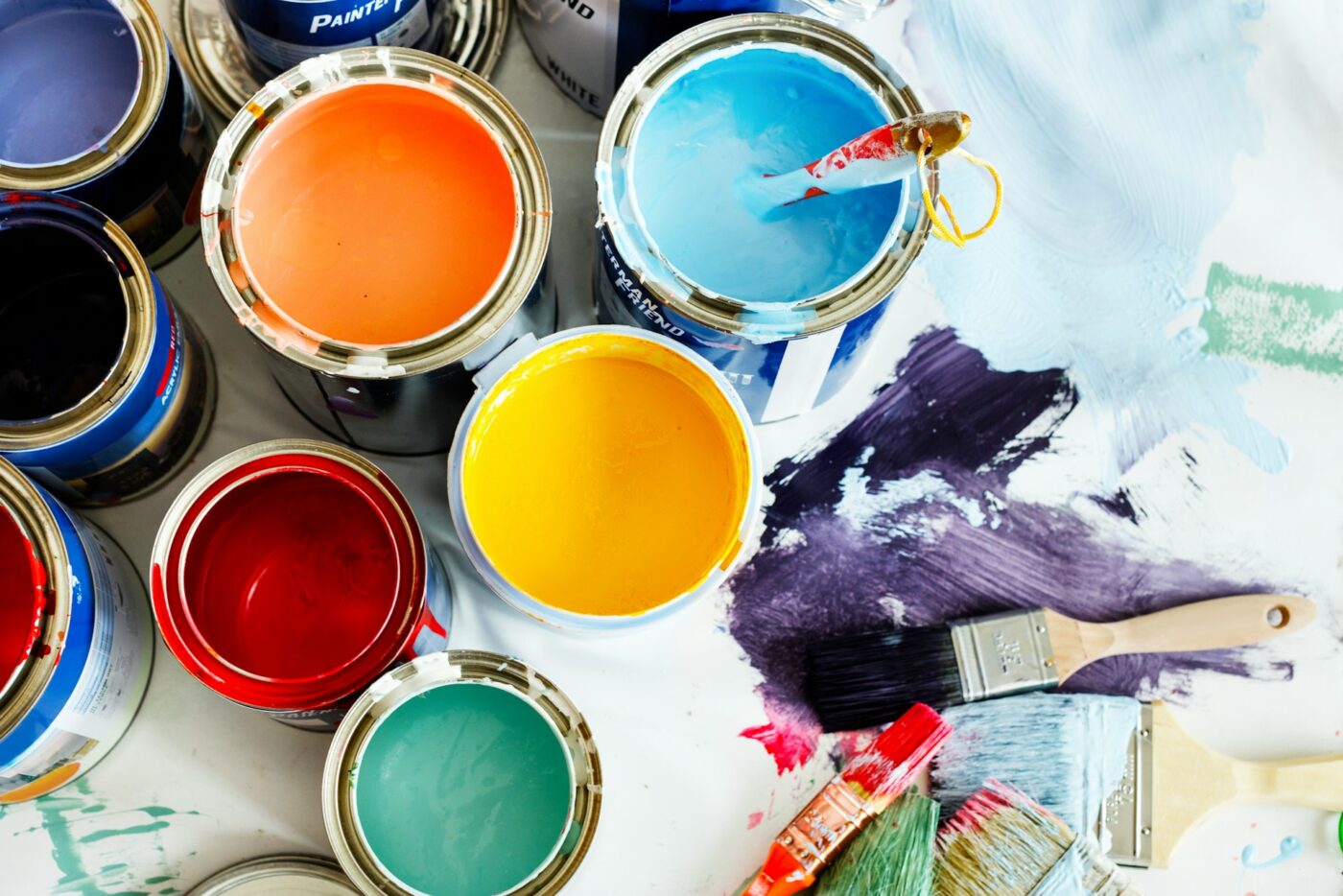
If you’re ready to refresh your home’s interior, taking a few simple steps before hiring a contractor can help your project run smoothly.
1. Define Your Goals
Start by identifying what you want to accomplish.
Ask yourself:
- Which rooms need painting?
- Are you updating your home’s style?
- Are you preparing to sell?
- Do any walls require repairs?
Having clear goals will help guide your decisions throughout the project.
2. Gather Color Inspiration
Explore paint colors and design ideas from:
- Paint manufacturer color collections
- Home improvement websites
- Interior design magazines
- Professional painting portfolios
If you want to paint your home with confidence, gathering inspiration beforehand makes choosing colors much easier.
3. Request a Detailed Estimate
A professional estimate should clearly outline:
- Scope of work
- Surface preparation
- Paint products
- Number of coats
- Project timeline
- Cleanup procedures
A detailed proposal should also explain the average cost to paint, estimated labor, materials, and the accurate cost based on your home’s size. Some contractors calculate pricing per square foot, while others estimate based on project complexity.
4. Ask Questions Before the Project Begins
A reputable contractor should be happy to explain their process.
Consider asking about:
- Preparation methods
- Furniture protection
- Daily work schedule
- Cleanup procedures
- Warranty coverage
- Final walkthrough
If you’re trying to learn how to paint, don’t hesitate to ask questions about paint products, finishes, or maintenance. A professional contractor should be happy to share practical painting tips to help you care for your newly painted walls.
FAQs
How long does an interior painting project usually take?
The timeline depends on your home’s size, the number of rooms being painted, and the preparation required. Your contractor can estimate the time it takes to paint based on the project’s scope.
Do I need to move my furniture before painting starts?
Most professional painters will move furniture and protect larger items before work begins. It’s still recommended that you remove fragile belongings and personal items beforehand.
What type of paint is best for interior walls?
The right paint depends on the room. Most living areas benefit from high-quality latex paint, while some specialty surfaces may require oil-based or shellac primers for better adhesion and durability.
Can interior painting increase my home’s value?
Yes. Professional house painting improves your home’s appearance, creates a positive first impression, and can increase buyer appeal if you’re planning to sell.
How often should interior walls be repainted?
Most homes benefit from repainting every five to ten years, depending on traffic, paint quality, and daily wear.
Transform Your Home with Professional Interior Painting

Professional interior painting is a simple way to refresh your home, protect your walls, and boost your property’s value. With expert craftsmanship, quality materials, and careful attention to detail, you can enjoy beautiful, long-lasting results that enhance your home’s comfort and style.
Since 2003, Pat Crowley Painting has proudly helped homeowners throughout Santa Cruz County transform their interiors with reliable, high-quality painting services. Contact us today for a free estimate and discover how our experienced team can bring new life to your home.